
National Advisory Council

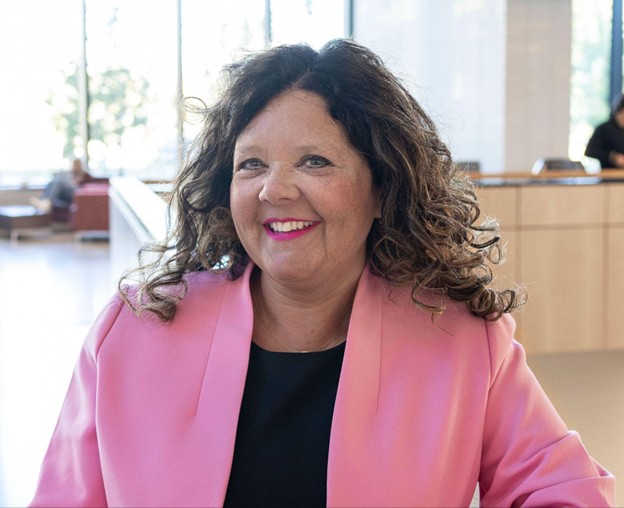
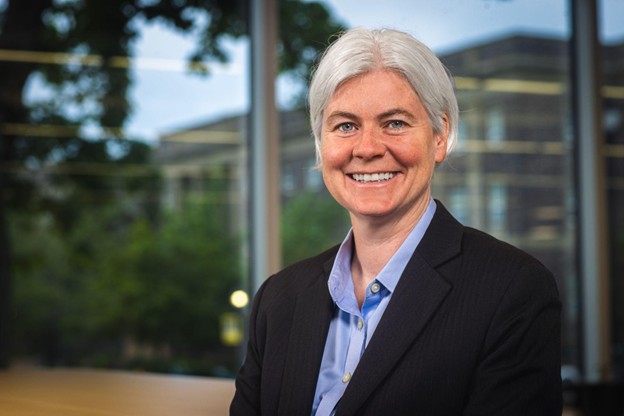


Dr. Gina Grandy
Gina Grandy serves as the Chair of the Business Schools Association of Canada (BSAC) and is the Dean of the Haskayne School of Business, University of Calgary. She previously held the role of Dean for the Hill and Levene Schools of Business at University of Regina, as well as Associate Dean of Research and Graduate Programs, Research Development Program Lead, and the RBC Women in Leadership Scholar. Gina was the lead for the Women Entrepreneurship Knowledge Hub (WEKH) in Saskatchewan – a national network coordinated by Toronto Metropolitan University.
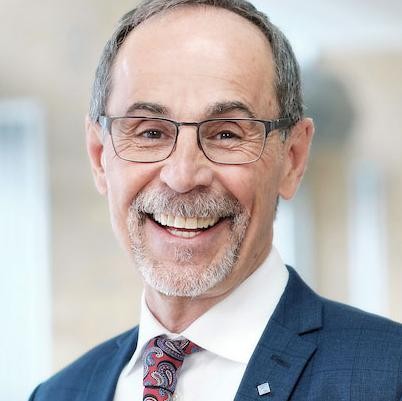
Dr. Larry Rosia
As President and CEO of Saskatchewan Polytechnic, Dr. Larry Rosia leads the province’s primary provider of technical education and skills training.
Dr. Rosia’s career in education spans more than 40 years, as an Instructor, Program Chair, Revenue Generating Coordinator, Marketing Manager, and Dean. He has more than 30 years of leadership experience in educational administration and has served in advisory roles to community, provincial and municipal committees. He is currently serving as Chair, Director, or Board Member for many Regional, National and International organizations, which includes: the Business/Higher Education Roundtable (BHER), CANARIE, Canadian Bureau for International Education (CBIE), the Chair Academy, the Community Colleges for International Development (CCID), Polytechnics Canada, International Mineral Innovation Institute (IMII), Post-Secondary International Network (PIN), and the University of Regina Senate.
Dr. Rosia is a well-respected ambassador for the post-secondary community and has authored a book titled “The Successful College President”.
Ernie Daniels
Ernie Daniels was appointed to the Bank of Canada’s Board of Directors in January 2023.
From the Salt River First Nation in the Northwest Territories, Mr. Daniels is a Chartered Professional Accountant, Certified General Accountant and Certified Aboriginal Financial Manager. He also holds a diploma in Public and Business Administration from Arctic College.
Mr. Daniels has more than 35 years of senior-level financial management experience. Since 2012, he has served as President and Chief Executive Officer of the First Nations Finance Authority, a First Nations-governed non-profit financial institution. He has also held leadership positions with AFOA Canada and the Aboriginal Healing Foundation.
Throughout his career, Mr. Daniels has developed extensive expertise in financial analysis, financing proposals and business planning, organizational restructuring, and financial accounting for Indigenous businesses and not-for-profit organizations.
Robin McLay
Robin McLay (1998-1999) has held a number of responsible and high profile positions. Currently working for both the Government of British Columbia and the MasterCard Foundation, Robin spoke with Fulbright Canada about his time as Executive Director of the Institute for the Study of International Development (ISID) at McGill University. Robin was a Fulbrighter from McGill University to Harvard University to conduct research for his project “Aboriginal Economic Development in Canada: Insights and Strategies from the American Indian Experience.” In an interview with Fulbright Canada he described the influence his exchange has had on his career, and how his position at McGill relates to his Fulbright experience.
“It was an honour and privilege to be named the first Executive Director of McGill University’s Institute for the Study of International Development. I had hoped that I could contribute to making the Institute a world class centre of excellence through a better understanding of the research-policy nexus coupled with a concerted effort to work collaboratively with think tanks, international development agencies, universities, and policy makers and researchers within developed and developing countries.”
Robin’s professional experience with linking policy and research made him an ideal fit for the position, and he says the ISID was particularly interested in the role he could play in creating stronger engagement between policy makers and researchers. “My previous role as Director of Research with Canada’s International Development Agency afforded me the opportunity to better understand the challenges of bridging the worlds of research and policy, including the difficulties researchers face in influencing policy, as well as the challenges policy makers confront in their efforts to ensure that their policy advice is based on sound evidence.”
The Institute has partnered with Fulbright Canada to offer scholarships to its Executive Education Program. Robin says the opportunity for Fulbright Canada alumni to participate is an exceptional one given the program’s mandate and focus: “We are honoured and grateful that Fulbright Canada is supporting this program through a generous scholarship award.”
“Our Executive Education program is designed to prepare professionals to work internationally and to provide participants with the requisite knowledge, skills and strategies to prepare themselves for opportunities to work in the field of international development. Due to the strong demand from developing countries to engage local expertise in development work, we have also been asked to work with a number of university partners to deliver sessions in the Caribbean, South Africa, Ghana and Lebanon.”
It was Robin’s Fulbright to Harvard that gave him the initial experience of working at the crux of policy and research and ultimately led him to his current position. “My Fulbright experience was catalytic in helping me advance my interest in understanding the relationship (or lack thereof) between research and policy.”
“The program and its mission of mutual understanding helped me appreciate the importance of comparative research. The Fulbright experience motivated me to better understand the relevance of the research coming out of the United States to the Canadian context. As a Fulbright Scholar living in the United States I had access to networks and resources that would have been otherwise unavailable to me.”
Robin also says his time as a Fulbrighter also opened up new doors to him professionally. “It was at the end of my Fulbright year that I was offered the opportunity to head-up the Harvard University Native American Program, and launch a number of research projects that addressed development challenges faced by Native Americans in the US, First Nations in Canada, and indigenous peoples in other parts of the world. The position provided me with a platform to do more comparative work and to engage policy researchers from both the United States and Canada.”
“That experience helped me understand how research can influence policy in a practical manner through sustained engagement of researchers and policy makers. I learned that researchers must be more like activists in their approach, and make special efforts to understand how to engage and work more effectively with policy makers and decision makers in government, civil society and the private sector.”
Robin credits his Fulbright for many of his successes, and he touts the program for the continuous impact that his award has had on his life beyond the Fulbright year: “I am grateful for all that the program has done to enrich my personal and professional life. My relationship with Fulbright is just as important now as it was during my first year as a Fulbright Scholar at Harvard more than a decade ago. The program continues to provide me access to important research and expand my networks around the world.”
And, as a member of Fulbright Canada’s Advisory Committee on Alumni Activities, Robin remains committed to ensuring the program can have the same impact for others as it has for him: “As a Fulbright Alumnus I have a certain sense of responsibility to ensure that my ongoing efforts are guided by the Fulbright mission of mutual understanding and a commitment to promoting dialogue and intellectual exchange.” Robin has earned a strong reputation for his contributions in the area of evidence-based policy making by developing creative and innovative ways of linking research to policy. He has established strong networks of key international research organizations through his leadership and membership in the International Forum of Research Donors, as a founding member of the Harvard University School of Public Health’s Leadership Council and his involvement with academic institutions and think tanks around the world. Mr McLay also served as CIDA’s Director of Democratic Institutions and Conflict from 2001 to 2005. Before joining government, Mr McLay worked extensively with Canada’s First Nations and he spent a number of years heading up Harvard University’s Native American Program – one of Harvard’s ten inter-faculty initiatives. He also holds a Master of Science from the London School of Economics and a B.A. from McGill University.
Dr. Kim Brooks
Dr. Kim Brooks began her five-year term as Dalhousie’s 13th President and Vice-Chancellor in August 2023, after serving as Acting Provost and Vice-President Academic. She previously served as Dean of the Schulich School of Law from 2010-15 and as Dean of the Faculty of Management from 2020-22.
A 3M Teaching Fellow, Dr. Brooks has held the H. Heward Stikeman Chair in the Law of Taxation at McGill University and the Purdy Crawford Chair in Business Law at Dalhousie in addition to academic appointments at Queen’s University and the University of British Columbia. Prior to entering the academy, she worked as a tax lawyer with Stikeman Elliott in their Toronto and London (UK) offices. Among her numerous board and professional roles, she has been Chair of the Halifax Public Libraries Board, President of the Canadian Centre for Legal Innovation in Sexual Assault Response, President of the Canadian Association of Law Teachers, and Chair of the Women’s Legal Education and Action Fund. She is currently Chair of the Canadian Research Knowledge Network Board.
Dr. Brooks holds a PhD from the University of Western Australia, a LL.M. from York University, a LL.B. from UBC and a BA from the University of Toronto.
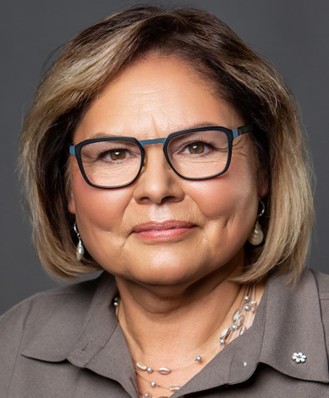
Dr. Marie Delorme
Dr. Marie Delorme is CEO of Imagination Group Inc. She serves on the boards of Premium Brands Holding Corporation, BG Gold, and the Donner Canadian Foundation. She is also a member of the National Indigenous Economic Development Board, an advisory body to the federal government. Dr. Delorme serves on the Order of Canada Advisory Council and the Advisory Board to the Canadian Police College.
A Member of the Order of Canada, she has received the Indspire Award in Business and Commerce; and was named as one of Canada’s 100 Most Powerful Women. Other recognitions include: the University of Calgary Dr. Douglas Cardinal Award; Alberta Chamber of Commerce Business Award of Distinction; Calgary Chamber of Commerce Salute to Excellence Award, Métis Nation Entrepreneurial Leadership Award, the Alberta Centennial Medal, and the King Charles III Coronation Medal.
Dr. Delorme holds a Bachelor of Science degree, a Master of Business Administration from Queen’s University, and both a PhD and an Honorary Doctor of Laws from the University of Calgary.
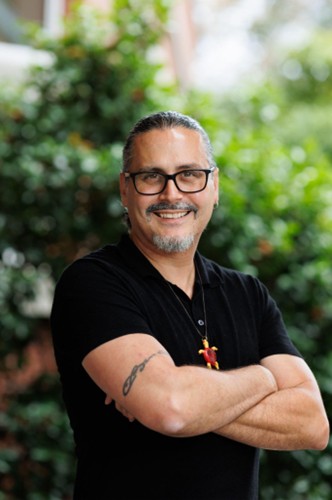
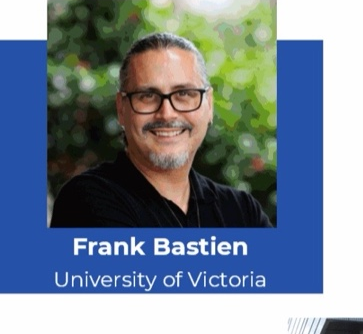
François Bastien
François Bastien’s story is rooted in Wendake, homeland of the Huron-Wendat Nation, where his grandfather’s teachings first shaped his understanding of relationship, responsibility, and how to move through the world with care. He and his family now live on the traditional lands of the WSÁNEĆ Peoples, carrying deep gratitude for the opportunity to learn from those who have cared for these lands since time immemorial. At the University of Victoria, François serves as the Associate Dean, Indigenous, at the Gustavson School of Business and as the Academic Director of the MBA in Advancing Reconciliation. His work is grounded in long-standing relationships with Indigenous communities across many territories, each offering teachings that continue to guide his journey. These relationships have shown him both the possibilities and tensions that arise when Indigenous relational worldviews meet colonial systems. Guided by his grandfather’s teachings, François understands reconciliation as a shared, ongoing journey—rooted in reciprocity, respect, and responsibility to future generations.
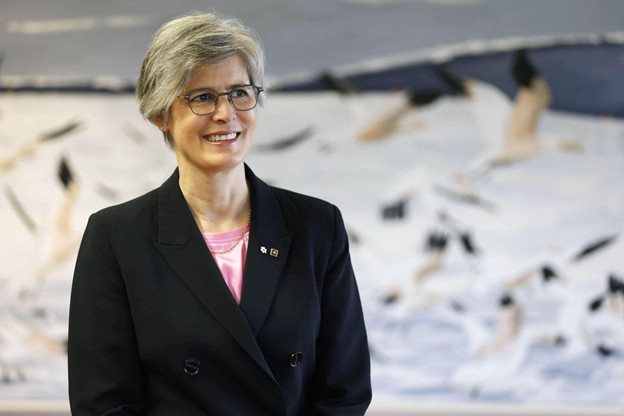
Sophie D’Amours
Elected in 2017 and re-elected in 2022, Professor Sophie D’Amours is the first woman to hold the position of rector of Université Laval in Quebec City. Guided by a collaborative approach, she seeks to enhance Université Laval’s impact to better address societal challenges.
Sophie D’Amours is a mechanical engineer. She holds a master’s degree in business administration and a doctorate in engineering mathematics. Her career is marked by significant research contributions in business engineering and planning, particularly in the forestry sector.
An engaged public figure, she serves as President of the Conseil de l’innovation du Québec and Co-President of the Québec Capitale Climat initiative.
Sophie D’Amours is an Officer of the Order of Québec, Officer of the Order of Canada, an Officer of the National Order of Merit of the French Republic. She is also a member of the Académie des Grands Québécois (social sector),a Fellow of the Canadian Academy of Engineering and an International Fellow of the Royal Swedish Academy of Agriculture and Forestry.
Evie Bell
Evie Bell is a JD/MBA student at the University of Toronto with a strong focus on the intersection of law, business, and Indigenous economic empowerment. She is currently President of both the Indigenous Law Students’ Association and the Rotman Indigenous Business Association, where she has led significant growth initiatives, built cross-sector partnerships, and created programming that connects Indigenous students with corporate and legal institutions.
Evie has professional experience in business consulting and early-stage entrepreneurship, including work at EY Canada and The Entrepreneurship Hatchery, where she supported large-scale transformation projects, startup fundraising, and strategic market analysis. Her background also includes legal research and publication, with a particular interest in corporate regulation, transactions, and governance.
Through her academic work, leadership roles, and community engagement, Evie is deeply committed to advancing Indigenous economic participation and supporting Indigenous-led pathways to prosperity. She is particularly focused on creating durable bridges between Indigenous communities, institutions, and capital, and on ensuring that Indigenous voices are meaningfully represented in business and decision-making spaces.
Kristen Craig
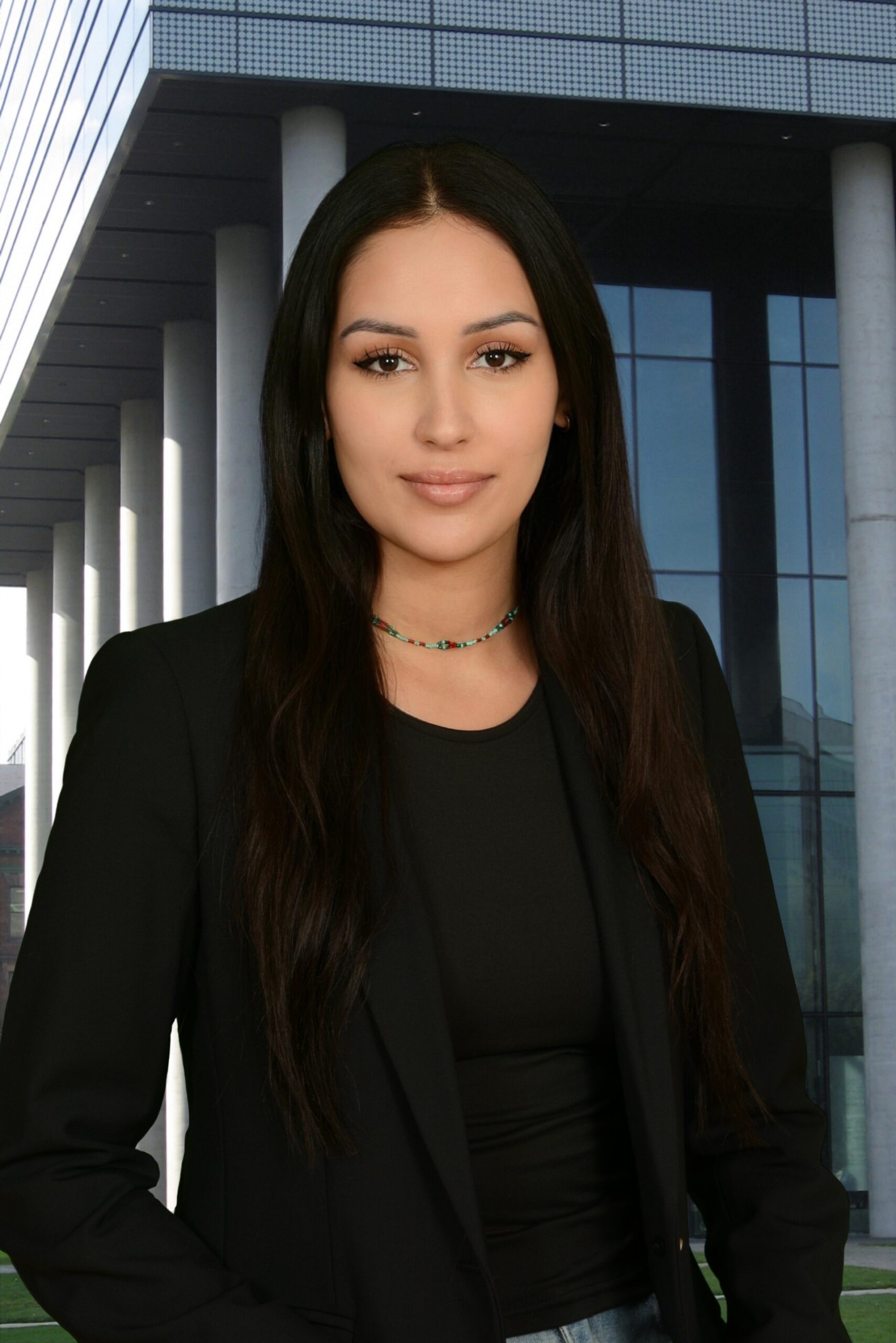
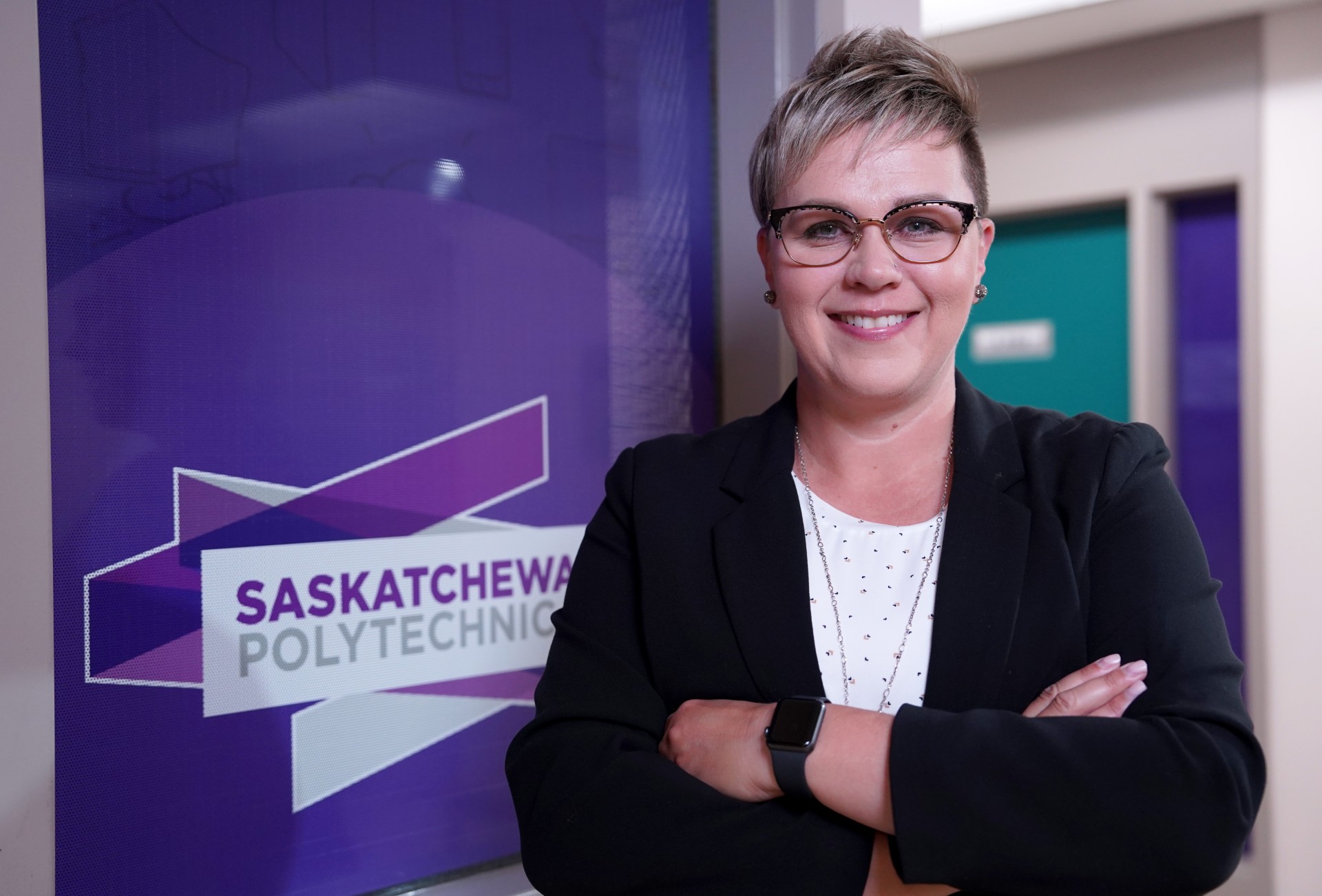
Kristen Craig brings over 20 years of leadership experience in post-secondary education, grounded in a deep commitment to advancing Indigenous education and creating equitable pathways for learners. As Dean of two Faculties at Saskatchewan Polytechnic, Kristen champions initiatives that remove systemic barriers and foster inclusive, culturally responsive learning environments. Her work reflects a belief that education is a powerful tool for reconciliation and community empowerment.
Kristen’s academic and professional background includes a Master of Administration in Leadership, a Bachelor of Arts in Adult Education, a Chartered Professional Accounting designation, and diplomas in Accountancy and Computer Information Systems. This diverse expertise enables her to bridge strategic leadership with practical solutions that support student success. A lifelong learner, Kristen continues to explore emerging trends, including artificial intelligence and innovative approaches to education, ensuring institutions remain adaptive and future-focused.
Through her role on Luminary’s National Indigenous Advisory Circle, Kristen is honored to collaborate with leaders across Canada to advance Indigenous innovation and create transformative opportunities for learners and communities.
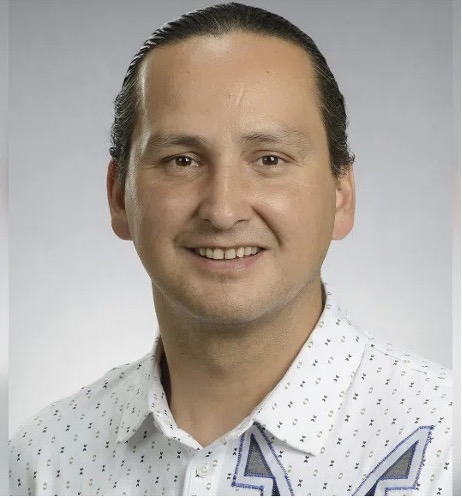
Cadmus Delorme
Cadmus Delorme, a Cree and Saulteaux, is a citizen of the Cowessess First Nation. Mr. Delorme is finalizing his Institute of Corporate Director designation, received a Master of Public Administration from the Johnson-Shoyama Graduate School of Public Policy and a Bachelor of Business Administration along with a Certificate in Hospitality, Tourism and Gaming Entertainment Management from the First Nations University of Canada (FNUniv).
While a student, Mr. Delorme served in several capacities within the student association, including vice-president and president, and also served as a student ambassador. In 2012, he was awarded the Queen Elizabeth II Diamond Jubilee Medal for his student leadership and the hospitality he showed to Prince Charles and his wife Camilla, Duchess of Cornwall, when they visited FNUniv in 2012. Mr. Delorme has also been named one of CBC Saskatchewan’s Future 40, which celebrates the province’s new generation of leaders, builders and change-makers under the age of 40. Cadmus Delorme worked as the Student Recruitment Officer for the First Nations University of Canada from 2013 to 2016 when he was elected as Chief.
He lives with his wife Kimberly, brother-in-law, daughter and son’s on Cowessess First Nation.
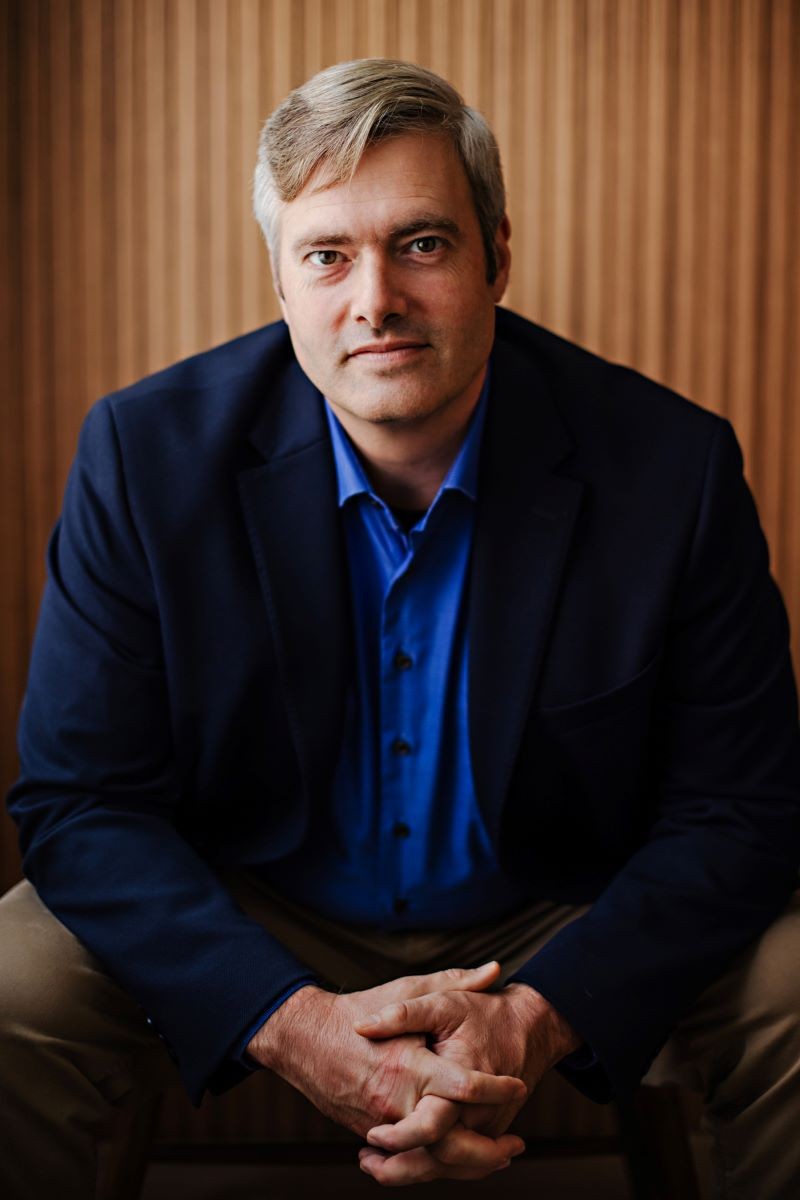
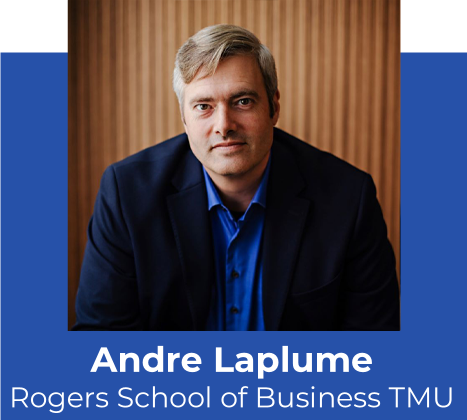
Andre Laplume
Chair, Administrative Sciences Association of Canada, Professor Ted Rogers School of Business TMU
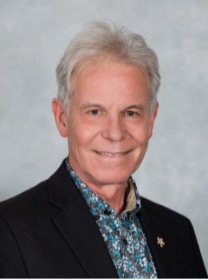
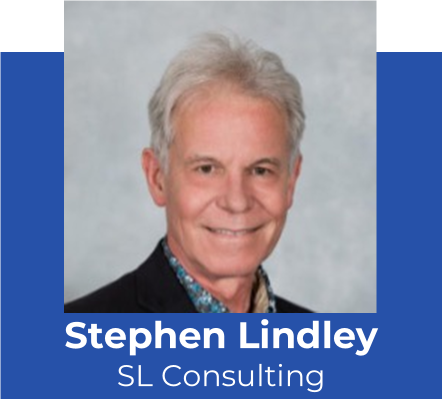
Stephen Lindley
Stephen is President and CEO of his own independent consultancy specializing in corporate sustainability and reconciliation, and Indigenous-corporate relations. Prior to 2018, Stephen spent over 30 years with SNC-Lavalin Inc. (now AtkinsRéalis), as corporate Vice President of Aboriginal & Northern Affairs and Director, Environment. Throughout his 30 plus years at SNC- Lavalin, Stephen contributed to the advancement of Indigenous reconciliation and inclusion and responsible/sustainable development throughout Canada and globally.
Stephen’s family is a “found” generation having recently identified family Métis heritage associated with the North Lake Superior Métis Community and family roots in the Red River Settlement. The family’s journey of discovery is nascent but brings them pride. Stephen’s ancestors were employed by the Northwest Company and the Hudson’s Bay Company and were active in the establishment and management of trading posts throughout Northern Ontario. As a result, the family’s connection to community is thin, so they tread carefully with respect to claims of citizenship.
Since 2018, Stephen has been, with Indigenous Works, providing strategic Indigenous relations economic reconciliation, Indigenous inclusion advice and policy development to a variety of clients including corporations, banks, universities and government agencies. Stephen also provides expertise in the area of environmental assessment, Indigenous community engagement and economic inclusion, and the assessment of project impacts on Aboriginal and treaty rights and interests. His most recent work has been with Hydro One (Indigenous Engagement and Environmental Strategic Advisor on a variety of greenfield high capacity transmission projects in northern and southwestern Ontario); Webequie First Nation and Marten Falls First Nation (Strategic Environmental and Indigenous Relations Advisor on the proposed Webequie Supply Road Project and the Northern Road Link Project in Ontario’s Ring of Fire area); and Strategic Indigenous Relations Advisor and author of the Indigenous Engagement and Inclusion Plan (IEIP) for the ONxpress Transportation Partners Consortium which is responsible for the GO Transit expansion project in the Greater Toronto and Hamilton Area.
Stephen is also a certified Facilitator providing assistance to clients on their journey through the Canadian Council of Aboriginal Business (CCAB) Progressive Aboriginal Relations (PAR) process. Stephen is currently Board Co-Chair of Indigenous Works; and Board Treasurer for Native Child and Family Services Toronto, a licensed Children’s Aid Society and provider of child and family support and prevention programs/services to urban Indigenous people in Toronto.